Do I need AI in my PC?
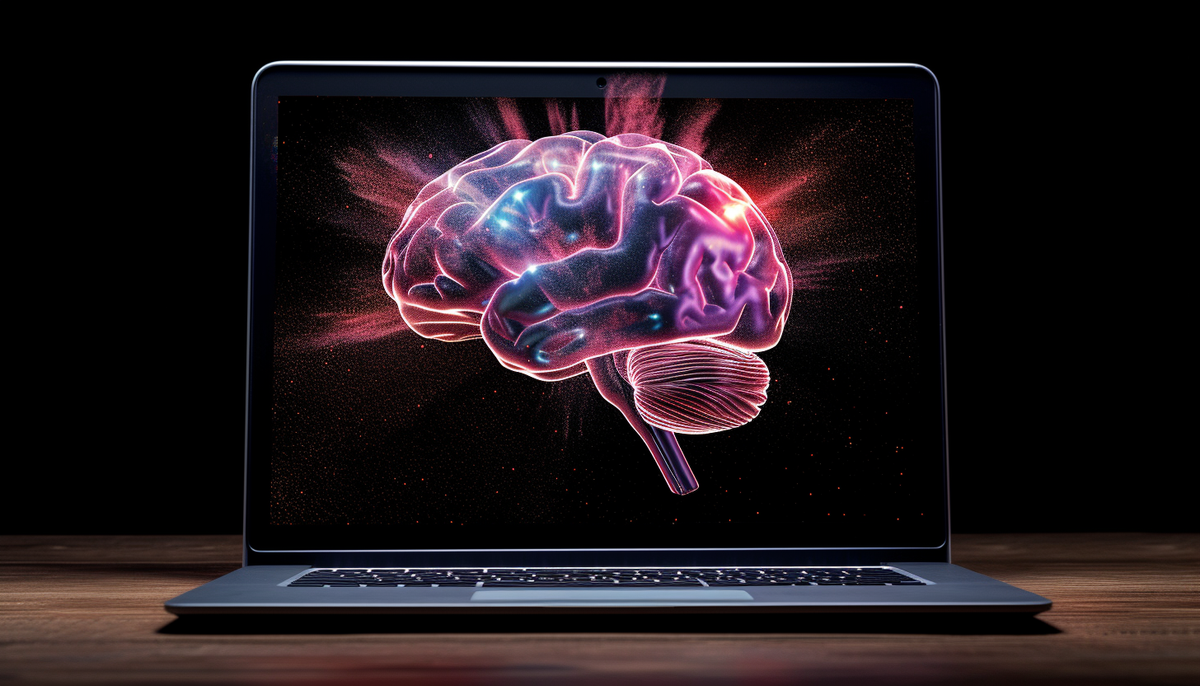
In recent years, a new category of personal computers has emerged: AI PCs. These machines represent a significant leap forward in computing capabilities, designed specifically to handle the demands of artificial intelligence and machine learning tasks. Let's explore what AI PCs are, how they differ from traditional computers, and what consumers should consider when evaluating them.
What are AI PCs?
AI PCs are computers optimized for artificial intelligence and machine learning workloads. They feature specialized hardware and software components that enable them to perform complex AI calculations more efficiently than standard PCs. These machines are designed to handle tasks like natural language processing, computer vision, deep learning, and other AI-intensive applications with greater speed and efficiency.
Key Differences from Traditional PCs
- Specialized Processors: The most significant difference between AI PCs and traditional computers is the inclusion of specialized AI processors. While standard PCs rely primarily on Central Processing Units (CPUs) and Graphics Processing Units (GPUs), AI PCs often incorporate additional hardware:
- Neural Processing Units (NPUs): These are dedicated chips optimized for AI and machine learning tasks.
- Tensor Processing Units (TPUs): Developed by Google, these chips are designed specifically for neural network machine learning.
- Field-Programmable Gate Arrays (FPGAs): Flexible chips that can be reprogrammed for specific AI tasks.
- Enhanced Memory and Storage: AI workloads often require processing large datasets. AI PCs typically come with larger amounts of high-speed RAM and storage options optimized for quick data access and transfer.
- Optimized Software Stack: AI PCs often come pre-installed with specialized software frameworks and libraries for AI development, such as TensorFlow, PyTorch, or CUDA.
- Improved Cooling Systems: The intense computations involved in AI tasks generate significant heat. AI PCs usually feature more robust cooling solutions to maintain performance during extended AI workloads.
- Power Management: AI PCs may have more sophisticated power management systems to handle the varying power demands of AI processing.
What Consumers Need to Know
When evaluating AI PCs, consumers should consider the following factors:
- Intended Use: Determine if you genuinely need an AI PC. These machines are most beneficial for developers, researchers, and professionals working directly with AI and machine learning. For general computing or light AI tasks, a high-end traditional PC might suffice.
- AI Performance Metrics: Look for benchmarks specific to AI tasks, such as inference time, training speed, or FLOPS (Floating Point Operations Per Second) for AI workloads. Traditional metrics like CPU clock speed are less relevant for AI performance.
- Software Compatibility: Ensure the AI PC supports the specific AI frameworks and tools you intend to use. Some systems may be optimized for certain AI ecosystems.
- Upgradeability: Consider whether the AI components (like NPUs) can be upgraded in the future, as AI technology is rapidly evolving.
- Power Consumption and Heat Management: AI workloads can be power-intensive. Evaluate the PC's power requirements and cooling capabilities, especially for sustained AI processing.
- Price vs. Performance: AI PCs are generally more expensive than traditional PCs. Assess whether the performance gains justify the higher cost for your specific needs.
- Brand and Support: Look for brands with a strong track record in AI computing and good technical support, as troubleshooting AI-related issues may require specialized knowledge.
- Integration with Cloud AI Services: Some AI PCs offer seamless integration with cloud-based AI services. This can be beneficial for tasks that require additional computational power beyond the local machine.
- Data Privacy and Security: If working with sensitive data, investigate the AI PC's security features, especially those related to protecting AI models and datasets.
- Learning Curve: Be prepared for a potential learning curve in utilizing the full capabilities of an AI PC, especially if you're new to AI development.
The Future of AI PCs
As AI continues to permeate various aspects of computing, we can expect AI PCs to become more prevalent and accessible. Future developments may include:
- More efficient and powerful AI processors
- Better integration of AI capabilities into everyday computing tasks
- Improved user interfaces for managing AI workloads
- Greater emphasis on edge AI computing, reducing reliance on cloud services
Conclusion
AI PCs represent a significant advancement in personal computing, offering unprecedented capabilities for AI and machine learning tasks. While they offer exciting possibilities, they are currently best suited for professionals and enthusiasts deeply involved in AI development and research. As the technology matures and becomes more mainstream, we may see AI capabilities increasingly integrated into standard PCs, blurring the line between traditional and AI-focused computers.
For consumers considering an AI PC, it's crucial to carefully evaluate your specific needs, the system's capabilities, and the overall value proposition. As with any emerging technology, staying informed about the latest developments in AI computing will help you make the best decision for your requirements.